
American Silver Eagle vs. Canadian Maple Leaf: Two Silver Classics Compared
Choosing between an American Silver Eagle and a Canadian Silver Maple Leaf is often less about finding one universal winner and more about deciding what you want to collect. Both are established government-issued bullion series. Their differences make a useful starting point for a deliberate purchase.
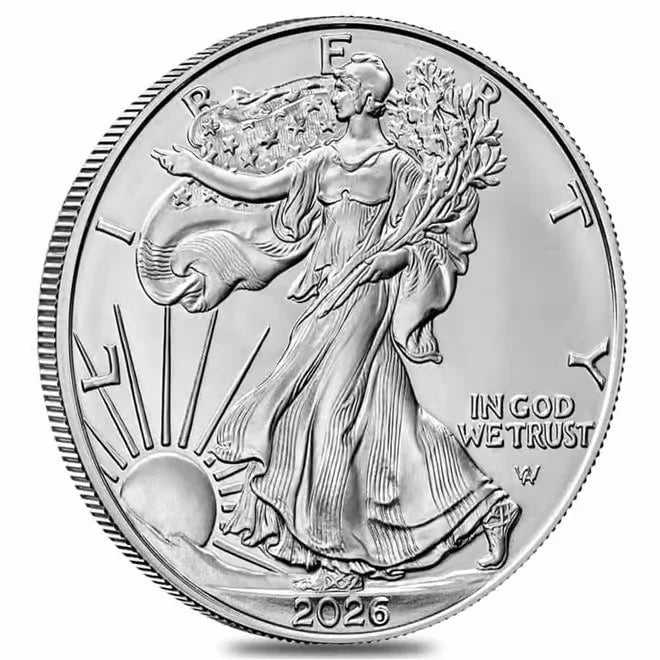
The specifications that matter
- American Silver Eagle: United States Mint; one troy ounce of .999 fine silver; $1 USD face value; series launched in 1986.
- Canadian Silver Maple Leaf: Royal Canadian Mint; one troy ounce of .9999 fine silver; $5 CAD face value; silver series introduced in 1988.
For the Maple Leaf’s current bullion format, the Royal Canadian Mint also identifies radial lines, a micro-engraved maple leaf, and its Bullion DNA authentication technology as security features. These features do not replace buying from a seller whose product description you can verify.
Does .9999 versus .999 decide the purchase?
The Maple Leaf’s stated fineness is higher. But do not mistake fineness for the number of coins or the advertised fine-silver quantity. Both standard products are described by their issuing mints as one-troy-ounce silver bullion coins.
Read the fine-silver content stated for the actual product, then compare the delivered price. A higher fineness figure by itself does not explain the whole premium or tell you which design belongs in your collection.
Face value is a denomination, not the shop price
The Eagle’s $1 and the Maple Leaf’s $5 are denominated in different currencies. Neither number is a shortcut to comparing the retail value of the silver coins. Use the actual purchase price in a common currency.
Start with the collection you want to build
If your interest is American coinage, a Silver Eagle may fit naturally beside other U.S. issues. If you prefer a collection organized around world bullion, a Maple Leaf offers another mint and a different visual identity. You can also collect both, choosing a matched year to make the comparison part of the collection.
There is no requirement to turn a personal preference into a prediction. A coin can be the right choice because its design, country, or date matters to you.
Compare buying conditions, not just the headline price
Check the date, condition, quantity, and packaging on both offers. Then compare their final totals, including any shipping or payment charges. If future resale is important, ask potential buyers how they quote each product rather than assuming that a larger retail premium will be recovered.
For a like-for-like comparison, put a raw BU Eagle beside a raw BU Maple Leaf. A certified coin or special collector finish adds another variable and should be evaluated separately.
A simple decision checklist
- Which design and issuing country fit your collection?
- Are both offers for the same year and comparable condition?
- What exactly comes with each coin?
- What is the final delivered total?
- Are the seller’s availability and return terms clear?
Frequently asked questions
Which coin contains more advertised fine silver?
The standard bullion coins discussed here are each advertised by their mints as containing one troy ounce. Check special editions separately.
Which is better for a beginner?
Start with a clearly described coin that suits your budget and interests. Neither series removes the need to understand condition, premiums, and storage.
Where can I compare the current offers?
See the 2026 American Silver Eagle BU and 2026 Canadian Silver Maple Leaf BU. For the next annual Eagle date, read our 2027 buying guide.
Sources: United States Mint bullion programs and Royal Canadian Mint 2026 Silver Maple Leaf. Comparisons concern the standard one-ounce silver bullion formats.